
Helping a Parent Maintain Independence While Living with Diabetes
A diabetes diagnosis often drives well-meaning families to aggressively take control, which can accidentally compromise an aging parent's daily autonomy and self-esteem. This practical, judgment-free guide reframes chronic care by shifting your caregiving role from a micromanaging authority to a supportive health consultant. Discover how to build a highly accessible home "diabetes station," collaborate on blood-sugar-friendly meals without falling into the trap of toxic food policing, and leverage the Caretaker app as a quiet, respectful safety net that empowers your loved one to independently manage their health.
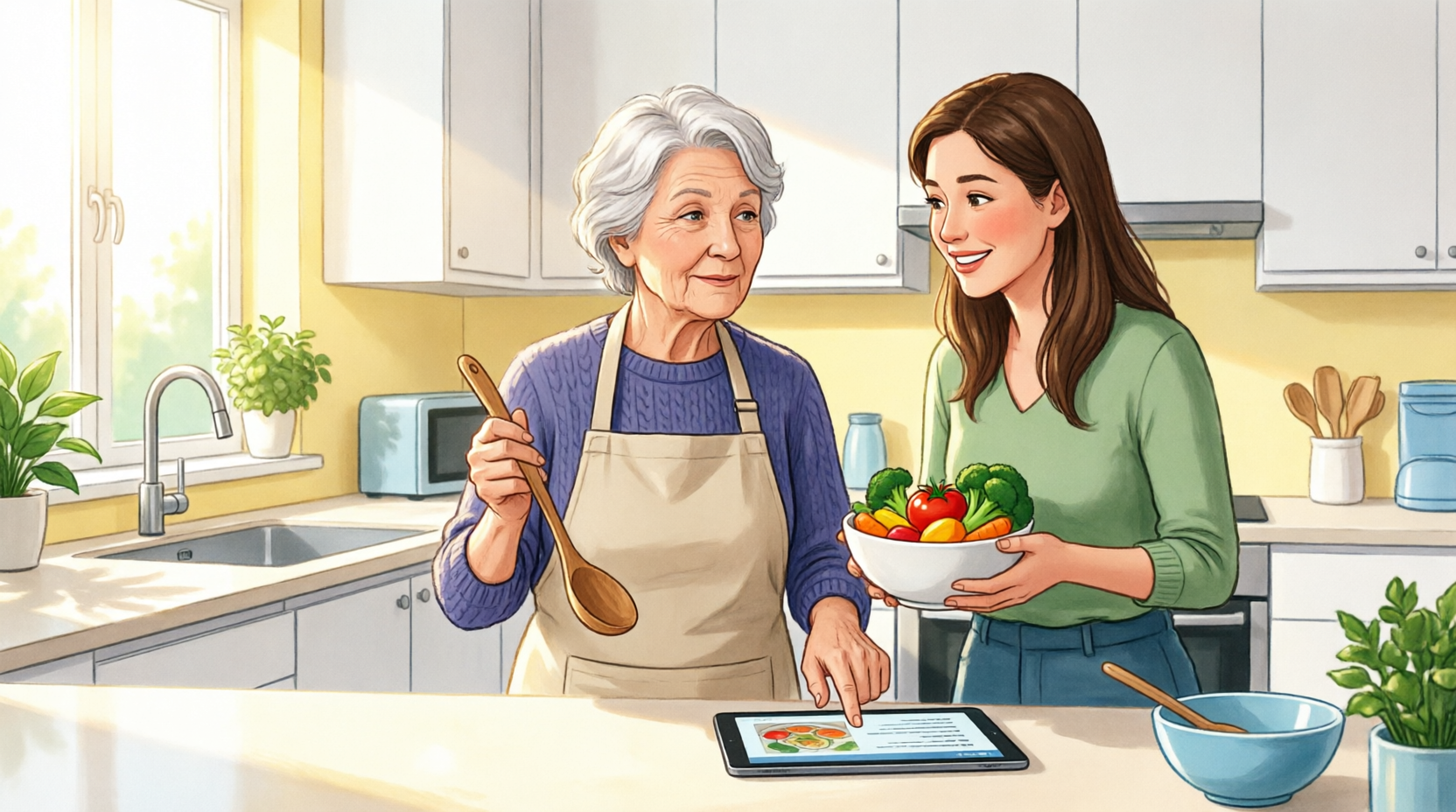
A diabetes diagnosis can feel like a sudden, unwelcome shift in the landscape of daily life. It is completely normal for this news to bring up a mix of emotions, from frustration to worry. However, there is one universal truth that must be acknowledged right from the start: a diabetes diagnosis does not mean giving up control. For an independent older adult, managing a chronic condition is not about surrendering autonomy or handing over the reins. It is about adapting to a new set of instructions while keeping the steering wheel firmly in your own hands.
For the family caregiver stepping in to help, the desire to protect and support is deeply natural. You want to keep your parent safe and healthy. Yet, this protective instinct must be carefully balanced with a profound respect for the senior’s right to self-determination.
With the right tools, a collaborative mindset, and a steadfast focus on preserving independence, managing blood sugar effectively and maintaining a high quality of life go hand in hand. This guide is designed for both the aging parent navigating diabetes and the adult child offering support. Together, we will explore how to build a care routine that honors dignity, reduces mental load, and ensures that you stay in charge of your own health, meals, and daily life.
(A clear and supportive note: Always work with your parent’s endocrinologist, primary care doctor, or a registered dietitian to tailor any diabetes management plan to their specific medical needs and lifestyle.)
The Philosophy of Supported Independence
When a parent begins to need a little extra help managing their health, the natural instinct for an adult child is to step in and take over. This impulse is born of love, concern, and a desire to fix things quickly. However, taking over can inadvertently strip away the senior’s sense of agency, leading to frustration, withdrawal, or a loss of confidence. To truly support someone with diabetes, we need to fundamentally reframe the caregiving dynamic. The goal is to transition from being a "manager" to becoming a "consultant" or a "partner."
Think of it this way: a manager dictates what needs to be done, sets the schedule, and monitors compliance. A consultant, on the other hand, provides resources, offers expertise, removes obstacles, and presents options—but the client makes the final decisions. In the context of senior diabetes care routines, the older adult is the undisputed expert on their own body, their daily rhythm, and their personal preferences. They have lived in that body for decades; they know how it feels when their blood sugar is off, and they know what routines fit seamlessly into their day.
Supporting self-management for seniors means recognizing that their desire to do things for themselves is not stubbornness. It is a fundamental human need for dignity and respect. Your role as a caregiver is not to take the wheel, but to clear the road. By focusing on diabetes independence support, you are helping your parent maintain their identity as a capable, decision-making adult.
When we approach care as a true partnership, we replace the anxiety of "being taken care of" with the calm reassurance of "being supported." This shift in perspective is the absolute foundation of empowering aging parents with diabetes. It allows them to manage their blood sugar with dignity while feeling deeply loved and backed by their family, rather than monitored or controlled.
Practical Ways to Support Self-Management
Empowerment starts in the physical environment. When we make the tools for diabetes care accessible, intuitive, and easy to use, we remove the daily friction that can make a manageable routine feel like an overwhelming chore. Here are practical, actionable ways to set up a home environment that champions independence.
Optimize the Physical Space
Take a walk through your parent’s home and look at their diabetes supplies through their eyes. Are the glucose meter, test strips, and lancets kept in a high cabinet, a cluttered junk drawer, or a dimly lit corner? Bring these items down to a comfortable, waist-level height. Create a dedicated "diabetes station" in a well-lit area, such as the kitchen counter or a bedside table. Use a contrasting mat (like a dark placemat for light-colored supplies) to make items easy to see. When supplies are easy to reach and easy to identify, the physical act of testing becomes effortless and routine.
Simplify the Tracking Tools
Paper logs with tiny grids and thin lines can be incredibly frustrating, especially if mild vision changes or stiff hands make writing difficult. Transition to tools that reduce physical and cognitive strain. Consider using a large-print logbook with thick, easy-to-turn pages and bold lines. Alternatively, introduce a simple, senior-friendly app that automatically logs readings via Bluetooth from a compatible glucose meter. The key is to choose a tool that feels like a helpful assistant, not a homework assignment. If they prefer paper, provide a bold, thick-tipped pen that requires less grip pressure and glides smoothly.
Organize Medications for Confidence
Medication management is a cornerstone of managing blood sugar with dignity. If your parent takes multiple medications, a weekly pill organizer with large, clear, high-contrast labels can be a game-changer. Ensure the compartments are easy to open. If standard child-proof caps are a struggle, ask the pharmacist for easy-open caps or invest in a simple, automated medication dispenser that alerts them when it is time to take their pills. The goal is to set up a system where your parent can handle their medications confidently and independently, without needing to ask for physical help every single day.
Navigating Meals and Nutrition with Dignity
Food is so much more than mere fuel; it is culture, comfort, memory, and joy. Because diabetes management is heavily tied to diet, this is often where the delicate balance of caregiving is most easily disrupted. It is incredibly common for well-meaning family members to accidentally cross the line into "food policing," turning the dinner table into a clinical environment and making the senior feel like a patient rather than a person.
To navigate meals and nutrition with dignity, we must explicitly avoid infantilizing language or acting as the dietary enforcer. Phrases like, "You shouldn't be eating that," or "Let me make your plate for you," immediately shift the power dynamic and can breed resentment or secretive eating. Instead, frame healthy choices around collaboration, respect, and the enjoyment of food.
Focus on Adding, Not Subtracting
Rather than focusing on what your parent cannot eat, focus on what you can add to the meal to make it more balanced and nourishing. If they are having a favorite pasta dish, instead of saying, "You can't have that much pasta," try saying, "This pasta looks great. Let’s add a big side of roasted garlic asparagus and some grilled chicken to make it a complete, nourishing meal that will keep your energy steady." This approach honors their food preferences while naturally supporting their blood sugar goals.
Collaborative Meal Planning
Invite your parent to be the co-architect of their meals. Sit down together once a week with a cup of tea and look at recipes or the weekly grocery flyer. Ask for their input: "What are you craving this week?" or "Which of these new, healthy recipes looks best to you?" When they have a direct say in the menu, they are much more likely to feel ownership over their diet and excited about the meals.
Share the Experience
The best way to support a senior's diabetes diet is to eat it with them. If they are adjusting to new dietary guidelines, do not cook separate, isolated meals for them. Adapt the family recipes together. When the whole household is eating the same balanced, blood-sugar-friendly meals, it removes the feeling of isolation or restriction. You are not restricting them; you are all upgrading your family's health together, making it a shared, positive experience.
How Caretaker Quietly Supports Your Control
Technology should never be used to monitor an older adult without their enthusiastic consent, nor should it make them feel like they are under surveillance. Instead, the right technology should act as a personal assistant, quietly supporting their independence and ensuring they stay in charge of their own day. This is the core philosophy behind the Caretaker app.
Caretaker is designed specifically to reduce the mental load of managing daily health routines while preserving the senior’s autonomy. For an older adult managing diabetes, remembering medication schedules, testing times, and doctor appointments can become a heavy cognitive burden. Caretaker’s smart medication and routine reminders act as a helpful nudge, helping them stay on track without relying on a family member to constantly remind them. It is a quiet, respectful companion that says, "It's time for your evening check-in," allowing them to manage their own care with confidence and pride.
Furthermore, managing a chronic condition can sometimes feel isolating or overwhelming. Caretaker includes emergency tools and one-tap video calls, providing a direct, effortless line to family. If your parent is feeling unsure about a blood sugar reading or just wants a little calm reassurance, they can reach out to you with a single tap. This keeps them deeply connected to their support system, providing peace of mind for both the senior and the caregiver, while ensuring that the senior remains the one initiating the connection. Caretaker doesn't take over the care; it quietly supports the senior's ability to care for themselves, reinforcing that they are the captain of their own ship.
Having Respectful Conversations About Changing Needs
Even with the best environmental setups and a collaborative mindset, there will be days when managing diabetes feels overwhelming. Physical energy fluctuates, vision can change, and what was easy last month might be difficult today. Having supportive, respectful conversations about changing needs is vital for maintaining a healthy, trusting partnership.
For the Senior: Asking for Help Without Feeling Like a Burden
If you are an older adult finding your routine difficult, remember that asking for a specific type of help is a powerful way of maintaining control. You are delegating a task, not surrendering your independence.
Try saying: "I’m finding the evening blood sugar testing a bit tiring on my hands lately. I’d like to keep doing it myself, but could we look into a different lancing device that’s easier to grip?"
Or: "I’m having trouble remembering to take my midday medication. Could we set up a shared alarm on our phones so we can check in with each other?"
For the Caregiver: Offering Support Without Sounding Critical
If you notice your parent struggling, approach the situation with curiosity and empathy, not judgment. Frame your observations around the specific task that is causing friction, rather than making a statement about their overall abilities.
Try saying: "I’ve noticed the pill bottles are getting tricky to open lately. Would it be helpful if we looked into an easier dispenser together?"
Or: "I know managing the grocery shopping for the diabetes diet takes a lot of energy. Would you be open to trying a grocery delivery service for the heavy items, so you can still pick out your own fresh produce at the local market?"
These scripts remove the emotion and the ego from the equation. They focus on solving a specific, practical problem while leaving the final decision entirely in the senior's hands.
Final Thoughts
Living well with diabetes in your later years is a testament to your resilience and your commitment to your own well-being. For the independent senior, your proactive approach to your health is deeply admirable. You are navigating a complex condition with grace, and you deserve to do so with your dignity, preferences, and autonomy fully intact. You stay in charge.
For the family caregiver, your love and dedication are the bedrock of your parent's support system. But remember that one of the greatest gifts of love you can give is the willingness to step back and let your parent lead. By acting as a consultant, removing physical friction, and offering emotional support without taking over, you are not just helping them manage their blood sugar—you are helping them preserve their identity. Together, through mutual respect and the right supportive tools, you can navigate this journey with peace of mind, keeping independence and dignity firmly at the center of your care.
Frequently Asked Questions
How can I help my parent with their diabetes without making them feel like I’m policing their food or choices?
Focus on collaboration rather than restriction. Instead of telling them what they cannot eat, ask what they are craving and work together to build a balanced plate. Eat the same meals they eat, and frame dietary changes as "adding nourishment" rather than "taking away favorites." Always ask for their permission before offering dietary advice, and respect their right to make their own choices, even if they occasionally deviate from the plan.
What are some simple tools that can make managing blood sugar easier for someone with stiff hands or mild vision changes?
Look for a glucose meter with a large, backlit screen and audio readouts. Switch to test strips with wider, easier-to-grip designs, or discuss a continuous glucose monitor (CGM) with their doctor, which requires fewer finger pricks. For logging, use a large-print journal with a thick pen, or a simple app that logs readings automatically. Ensure all supplies are kept in a well-lit, waist-level location with high-contrast backgrounds to make them easy to see.
How do I respectfully offer more help if I notice my parent is struggling to keep up with their routine?
Approach the situation with curiosity, not criticism. Focus on the specific task that is causing friction, rather than their overall ability. Use "I" statements, such as, "I noticed the medication bottles seem hard to open. Would it be helpful if we looked into an easier dispenser together?" This offers a practical solution while leaving the choice to accept it entirely up to them, preserving their dignity.
How can we handle blood sugar fluctuations without causing panic or alarm?
Blood sugar naturally fluctuates, and treating every spike or drop as an emergency creates unnecessary anxiety for everyone. Keep a calm, matter-of-fact tone. If a reading is high or low, follow the pre-established plan from their doctor without an emotional reaction. Say things like, "Let's follow the plan and check again in an hour," which provides calm reassurance and keeps the situation feeling manageable, predictable, and under control.
What should I do if my parent refuses to acknowledge that they need help with their diabetes care?
Pushing harder usually leads to more resistance. Instead, step back and focus on building trust. Ask open-ended questions about their goals: "What is most important to you right now?" or "What part of your routine feels the most frustrating?" Listen without trying to fix it immediately. Sometimes, simply validating their frustration ("It makes sense that you're tired of testing every day") is enough to lower their defenses and open the door for future, more collaborative conversations.