
Articles
In-depth guides and resources for caregivers and families.

Ako zdieľať emocionálnu a praktickú starostlivosť, keď má rodič rakovinu
Starostlivosť o starnúceho rodiča s rakovinou často núti jedného člena rodiny do vyčerpávajúcej úlohy hlavného opatrovateľa, čo vedie k silnému vyčerpaniu a skrytému rodinnému napätiu. Tento praktický, bez odsudzovania sprievodca vám ukáže, ako sebavedome prelomiť túto izoláciu premenením rodiny na koordinovaný tím starostlivosti. Zistite, ako začať rozhovory medzi súrodencami vedené s úctou a empatiou, rozdeliť logistické a na diaľku vhodné administratívne povinnosti podľa individuálnych silných stránok a využiť aplikáciu Caretaker na odstránenie chaotických skupinových správ — pevne chrániac bezpečnosť vášho rodiča a zároveň si znovu získať vnútorný pokoj.
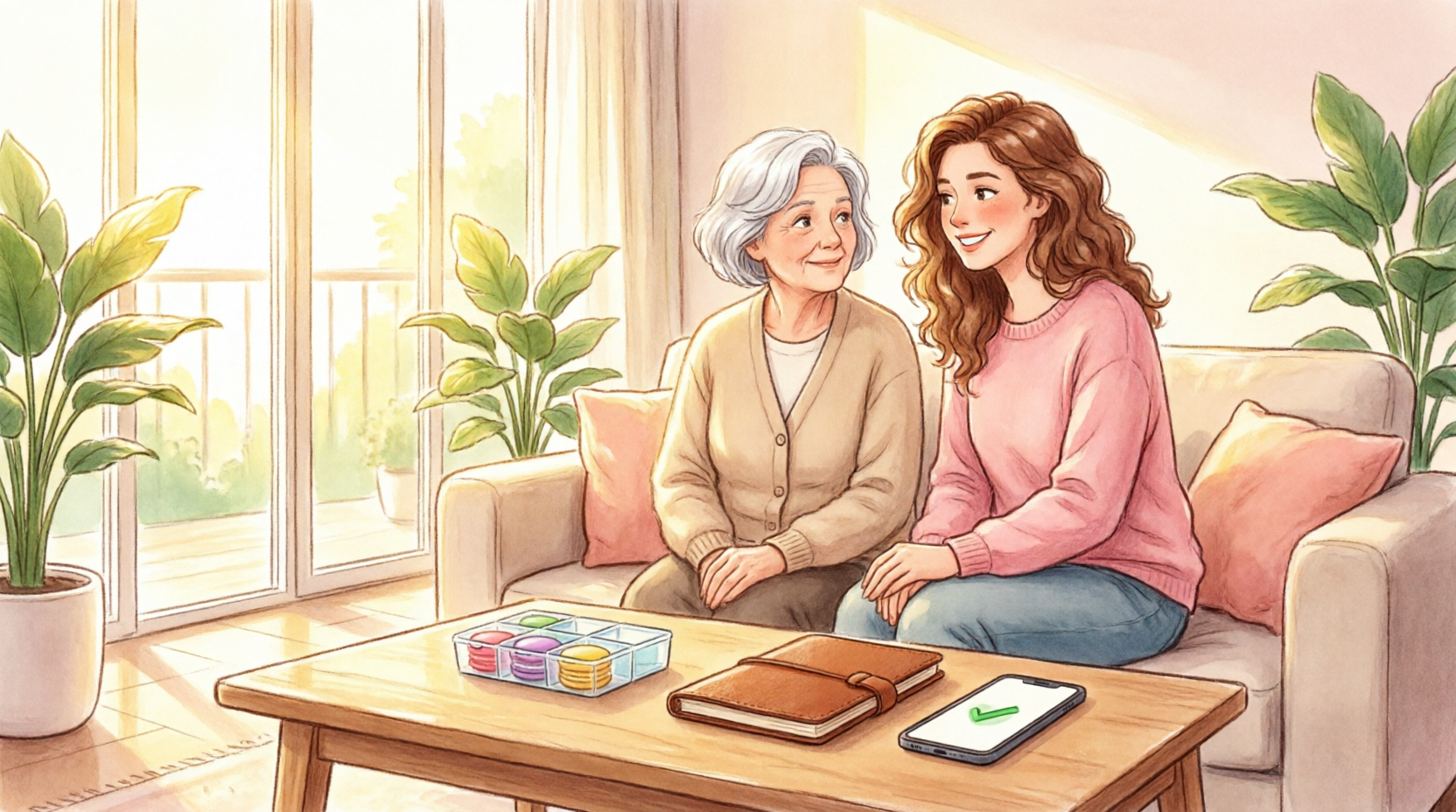
Ako zorganizovať lieky a termíny pre rodiča s komplexnými zdravotnými potrebami
Starostlivosť o rodiča so zložitou zdravotnou logistikou často necháva rodinných opatrovateľov zahltených zastrašujúcim morom prekrývajúcich sa termínov u špecialistov a zložitých fľaštičiek s liekmi. Tento praktický, neodsudzujúci sprievodca pretvára zvládanie polyfarmácie na centralizovaný, nízkostresový denný režim. Zistite, ako zostaviť fyzický šanón 'Care Command Center', zjednodušiť zložité rozpisy liekov do jednoduchých denných časových blokov, zorganizovať lekárske návštevy bez chaosu a využiť aplikáciu Caretaker na automatické zosúladenie rozvrhov — dôrazne chrániac rodičovu autonómiu a zároveň prinášajúc rodine skutočný pokoj na duši.

Varovné signály, že vedľajšie účinky liečby rakoviny si vyžadujú väčšiu pozornosť
Sprevádzanie starnúceho rodiča jeho lekárskou cestou si vyžaduje citlivé vyváženie medzi podporujúcim domácim pozorovaním a jasným vymedzením hraníc voči klinickým odborníkom. Tento stručný informačný sprievodca posilňuje základné pravidlo zastávania sa pacienta: byť spolupracujúcim partnerom, nie nezávislým rozhodcom v lekárskych otázkach. Zistite, ako presne sledovať denné príznaky, zaznamenávať fyzické zmeny a s istotou pripraviť relevantné poznámky pre onkologický tím vášho rodiča — aby ste zabezpečili plynulú starostlivosť zameranú na komfort a zároveň prísne rešpektovali odborné lekárske odporúčania.
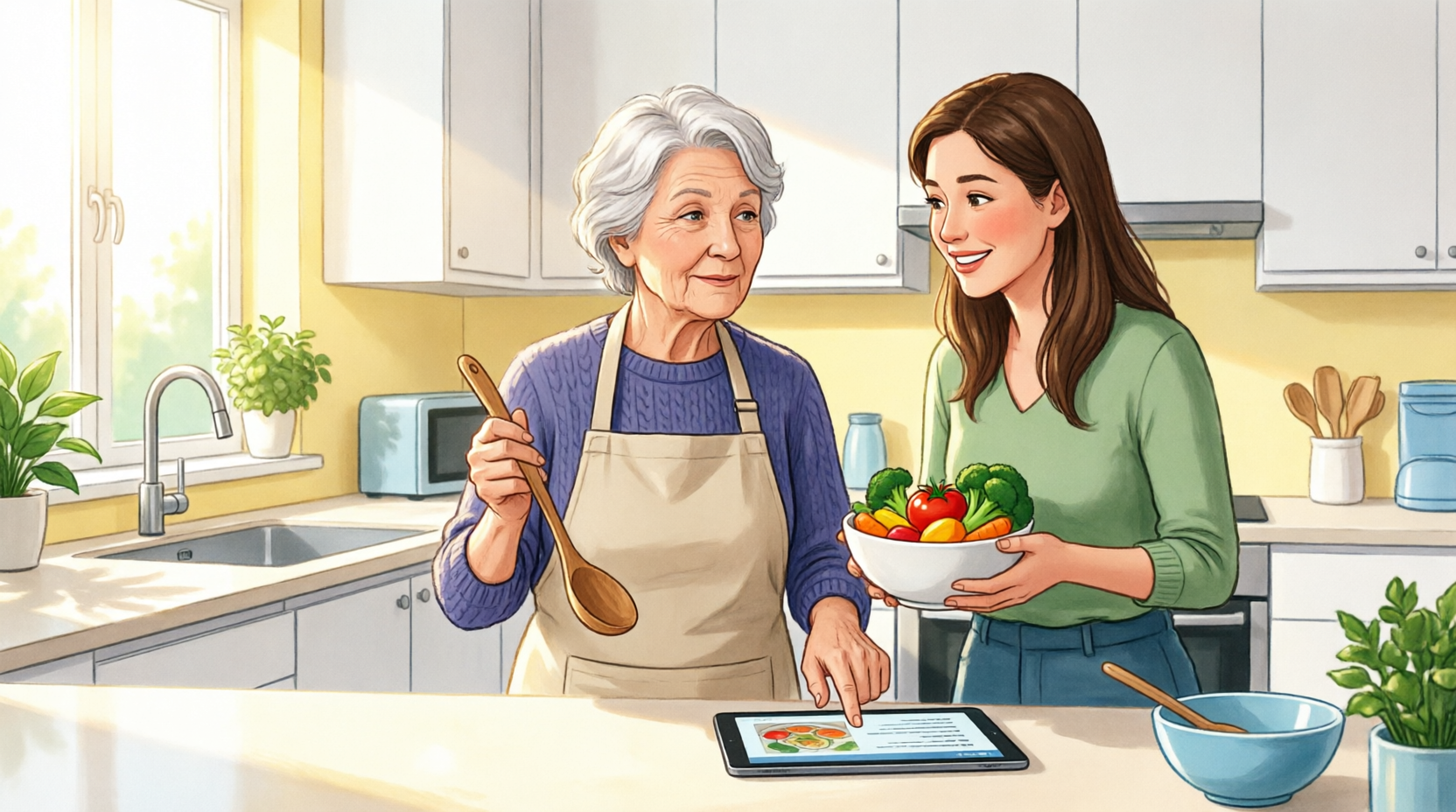
Ako pomôcť rodičovi zachovať nezávislosť pri živote s cukrovkou
Diagnóza cukrovky často vedie dobre mienené rodiny k tomu, že sa snažia agresívne prevziať kontrolu, čo môže neúmyselne ohroziť každodennú samostatnosť a sebavedomie starnúceho rodiča. Tento praktický, bezposudzujúci sprievodca predefinuje starostlivosť o chronické ochorenie tak, že zmení vašu opatrovateľskú rolu z mikromanažujúcej autority na podporného zdravotného konzultanta. Zistite, ako vytvoriť doma vysoko dostupné "diabetické stanovište", spolupracovať na jedlách priaznivých pre hladinu cukru v krvi bez toho, aby ste upadli do pasce toxického dohliadania na stravu, a ako využiť aplikáciu Caretaker ako tichú, rešpektujúcu bezpečnostnú sieť, ktorá umožní vášmu blízkemu samostatne riadiť svoje zdravie.

Podpora rodiča s vysokým krvným tlakom a súvisiacimi zdravotnými problémami
Zvládanie vysokého krvného tlaku rodiča súčasne s prekrývajúcimi sa zdravotnými problémami, ako sú cukrovka, artritída alebo ochorenie obličiek, často mení rodinnú starostlivosť na vyčerpávajúcu hru, v ktorej sa neustále objavujú nové zdravotné problémy. Tento súcitný sprievodca bez odsudzovania predstavuje komplexnú starostlivosť pri viacerých ochoreniach ako elegantnú, zjednotenú dennú rutinu zameranú na celkové blaho osoby. Zistite, ako premeniť úzkostné merania krvného tlaku manžetou na pokojné ranné rituály, zaviesť zmeny životného štýlu, ktoré prirodzene cielia na viacero chronických príznakov naraz, a využiť aplikáciu Caretaker na odľahčenie od nepríjemností spojených s neustálym pripomínaním liekov — pritom pevne chrániac každodennú dôstojnosť vášho rodiča.
Denná podpora pre rodiča žijúceho s Parkinsonovou chorobou
Orientovanie sa v diagnóze Parkinsonovej choroby u rodiča si vyžaduje citlivú rovnováhu medzi proaktívnym zvládaním symptómov a hlbokým rešpektom k ich každodennej autonómii. Tento praktický sprievodca bez posudzovania rozkladá zložité logistické aspekty starostlivosti do jemných, zvládnuteľných denných rytmov. Zistite, ako pracovať s "on/off" vlnami účinku liekov bez treníc vo vzťahoch, ako zaviesť nenápadné úpravy domácnosti, ktoré zásadne znižujú riziko pádov bez klinického dojmu, a ako si osvojiť silu komunikácie s pacientom — čo vám umožní s istotou používať nástroje ako Caretaker app a zabezpečiť skutočný pokoj na duši.

Ako sa starať o ležiacich seniorov doma: súcitný návod krok za krokom
Správa každodennej starostlivosti o úplne ležiaceho seniora predstavuje obrovskú fyzickú záťaž a zložitý emocionálny míľnik pre každú rodinu. Tento komplexný návod krok za krokom rozkladá klinické postupy domácej starostlivosti na zvládnuteľné rutiny, ktoré zachovávajú dôstojnosť. Zistite, ako bezpečne vykonávať povinný plán preklápania každé 2 hodiny na prevenciu život ohrozujúcich preležanín, vykonávať dôstojné kúpanie v posteli pomocou techniky log-roll a využiť nástroje ako Caretaker app na bez námahy sledovanie limitov tekutín a záznamov o otáčaní — zabezpečujúc pohodlie vášho rodiča a zároveň chránite svoje vlastné fyzické zdravie.

Ako pomôcť svojmu rodičovi žiť dobre s viacerými chronickými ochoreniami
Starostlivosť o rodiča s prekryvajúcimi sa zdravotnými problémami — napríklad srdcové ochorenia, cukrovka a artritída — často necháva rodinných opatrovateľov topiť sa v roztrieštených lekárskych kontrolných zoznamoch a protichodných radách špecialistov. Tento praktický sprievodca bez odsudzovania vám pomôže prejsť z robotickej dokonalosti na jednotný, udržateľný denný rytmus. Zistite, ako vytvárať „zhluky návykov“, ktoré znižujú únavu z rozhodovania, zefektívňujú zdravotnú administratívu bez vyhorenia, a ako využiť Caretaker app na odľahčenie kognitívnej záťaže spojenej so sledovaním — čím zabezpečíte, že denné radosti a kvalita života vášho rodiča zostanú v absolútnom centre jeho starostlivosti.

Podpora rodiča s rakovinou počas liečby a zotavovania doma
Zvládanie starostlivosti o starnúceho rodiča s rakovinou v domácom prostredí vyžaduje citlivú rovnováhu medzi zložitou logistikou liečby a tichou emocionálnou prítomnosťou. Tento praktický, bez odsudzovania sprievodca mení vašu rolu z preťaženého manažéra na podporného partnera a sústreďuje sa na domáce rutiny, ktoré zachovávajú dôstojnosť. Naučte sa, ako s gráciou riešiť silnú únavu súvisiacu s liečbou a stratu chuti do jedla, ochrániť svojho blízkeho pred záťažou nadmerných lekárskych zásahov a využiť nástroje ako Caretaker app na bezproblémovú organizáciu harmonogramov — čo vám umožní s istotou ukotviť ich cestu k uzdraveniu a zároveň chrániť vlastný vnútorný pokoj.

Čo znamená dočasná opatera? Sprievodca bez pocitu viny, ako si oddýchnuť
Priznať, že naliehavo potrebujete prestávku od neprestajných, 24/7 požiadaviek starostlivosti o seniora, často vyvolá ťažkú, tichú vlnu pocitu viny opatrovateľa. Tento súcitný, bez odsudzovania sprievodca presne definuje, čo dočasná opatera znamená v praktickej rovine, a rozoberá tri hlavné možnosti: pomoc v domácnosti, denné centrá pre dospelých a krátkodobé pobyty v zariadení. Naučte sa, ako sa zbaviť obetavej, mučeníckej mentality, nájsť skryté zdroje financovania mimo tradičného programu Medicare a využiť aplikáciu Caretaker na bezproblémové digitálne odovzdanie starostlivosti — aby váš rodič zostal v bezpečí, zatiaľ čo si obnovíte zdravie.

Ako chrániť svoju energiu pri podpore rodiča s pretrvávajúcimi problémami s pohyblivosťou
Podpora rodiča s pretrvávajúcimi problémami s pohyblivosťou si vyžaduje obrovskú fyzickú, emočnú a psychickú daň, ktorá často necháva rodinných opatrovateľov vyčerpaných. Tento súcitný, bezodsudzujúci sprievodca rozbíja mentalitu mučeníctva a preformuluje starostlivosť opatrovateľa o seba ako absolútnu nevyhnutnosť pre udržateľnú podporu. Zistite, ako do svojho denného harmonogramu zapojiť realistické "mikro-pauzy", využívať bezpečné pohybové techniky, aby ste predišli fyzickému zraneniu chrbta pri presunoch, a využiť Caretaker app na odľahčenie neustálej úzkosti zo sledovania — čo vám poskytne skutočný priestor na vydýchnutie a pokoj na duši, ktorý si zaslúžite.
One-time Payment • Family plan $5/month • Save $275 over 5 years
Get Lifetime Access for Only $25Secure checkout