
Articles
In-depth guides and resources for caregivers and families.

Hoe je emotionele en praktische zorg deelt wanneer een ouder kanker heeft
Het begeleiden van een ouder met kanker dwingt vaak één familielid in de uitputtende rol van vanzelf aangewezen verzorger, wat leidt tot ernstige vermoeidheid en verborgen wrijving binnen het gezin. Deze praktische, niet-oordelende gids laat je zien hoe je die isolatie zelfverzekerd kunt doorbreken door je familie te transformeren tot een gecoördineerd zorgteam. Ontdek hoe je begripvolle gesprekken tussen broers en zussen kunt opstarten, logistieke en op afstand uitvoerbare administratieve taken verdeelt op basis van ieders sterke punten, en de Caretaker-app inzet om chaotische groepsberichten te elimineren — waarmee je vastberaden de veiligheid van je ouder beschermt en tegelijkertijd je eigen gemoedsrust terugwint.
Hoe u medicatie en afspraken organiseert voor een ouder met complexe zorgbehoeften
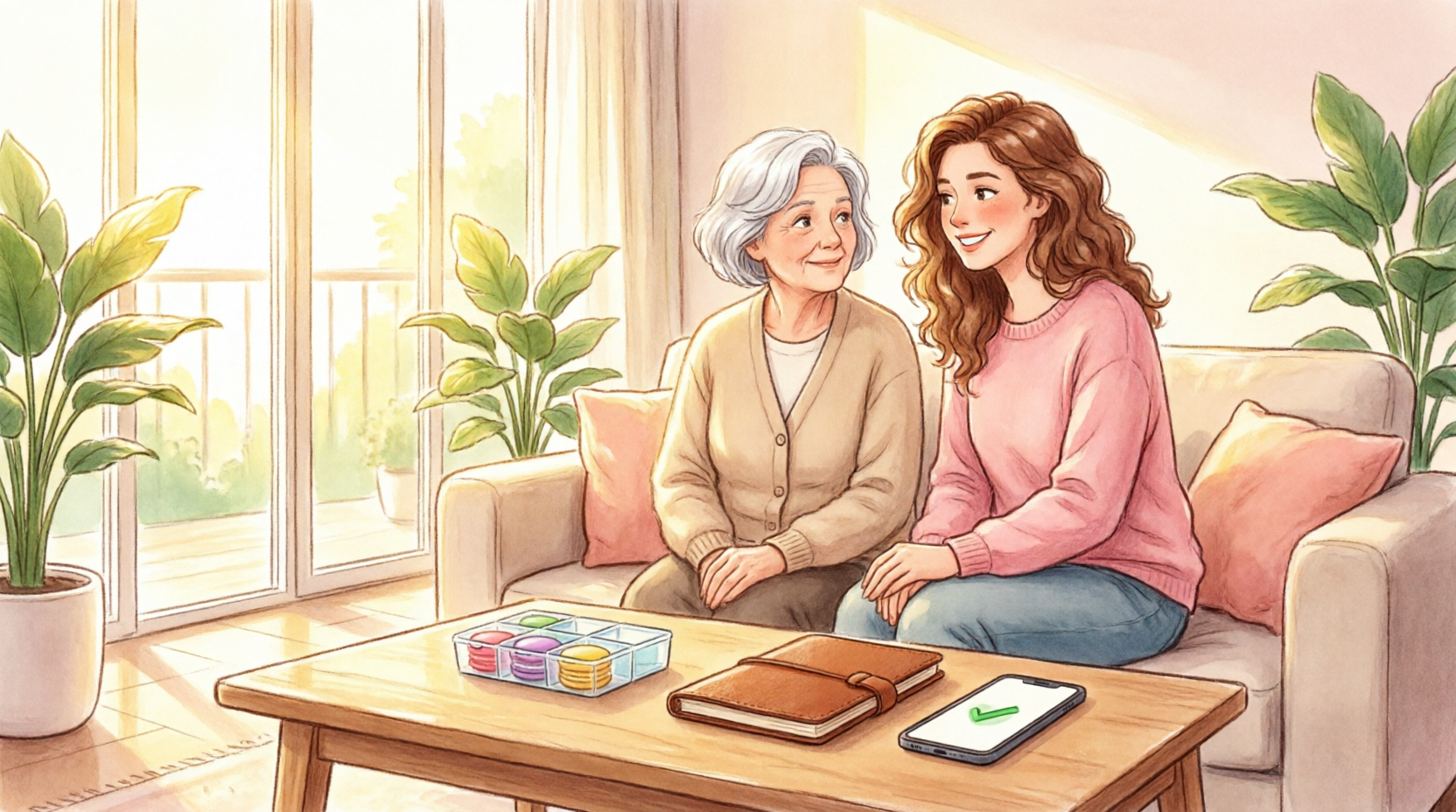
Het beheren van de overlappende gezondheidslogistiek van een ouder laat familieleden die mantelzorger zijn vaak verdrinken in een intimiderende zee van overlappende afspraken bij specialisten en ingewikkelde medicijnverpakkingen. Deze praktische, niet-oordelende gids herkaderet het beheer van polyfarmacie en zet het om in een gecentraliseerde, weinig stressvolle dagelijkse routine. Ontdek hoe u een fysieke "Care Command Center"-ordner opzet, complexe medicatieschema's vereenvoudigt tot eenvoudige tijdvakken op de dag, medische bezoeken organiseert zonder chaos en de Caretaker app inzet om schema's automatisch op elkaar af te stemmen — terwijl u de autonomie van uw ouder krachtig beschermt en het gezin echte gemoedsrust teruggeeft.

Waarschuwingssignalen dat bijwerkingen van kankerbehandeling meer aandacht nodig hebben
Het begeleiden van het medische traject van een ouder vereist een zorgvuldige balans tussen ondersteunende observatie thuis en duidelijke grenzen met zorgprofessionals. Deze korte informatieve gids benadrukt de essentiële regel van patiëntenvertegenwoordiging: optreden als een samenwerkende partner in plaats van als onafhankelijke medische beslisser. Ontdek hoe u dagelijks symptomen nauwkeurig kunt monitoren, lichamelijke veranderingen kunt registreren en met vertrouwen relevante aantekeningen kunt voorbereiden voor het oncologieteam van uw ouder — zodat u naadloze comfortzorg biedt terwijl u strikt het professionele medische advies respecteert.
Een ouder helpen zijn of haar zelfstandigheid te behouden terwijl hij of zij met diabetes leeft
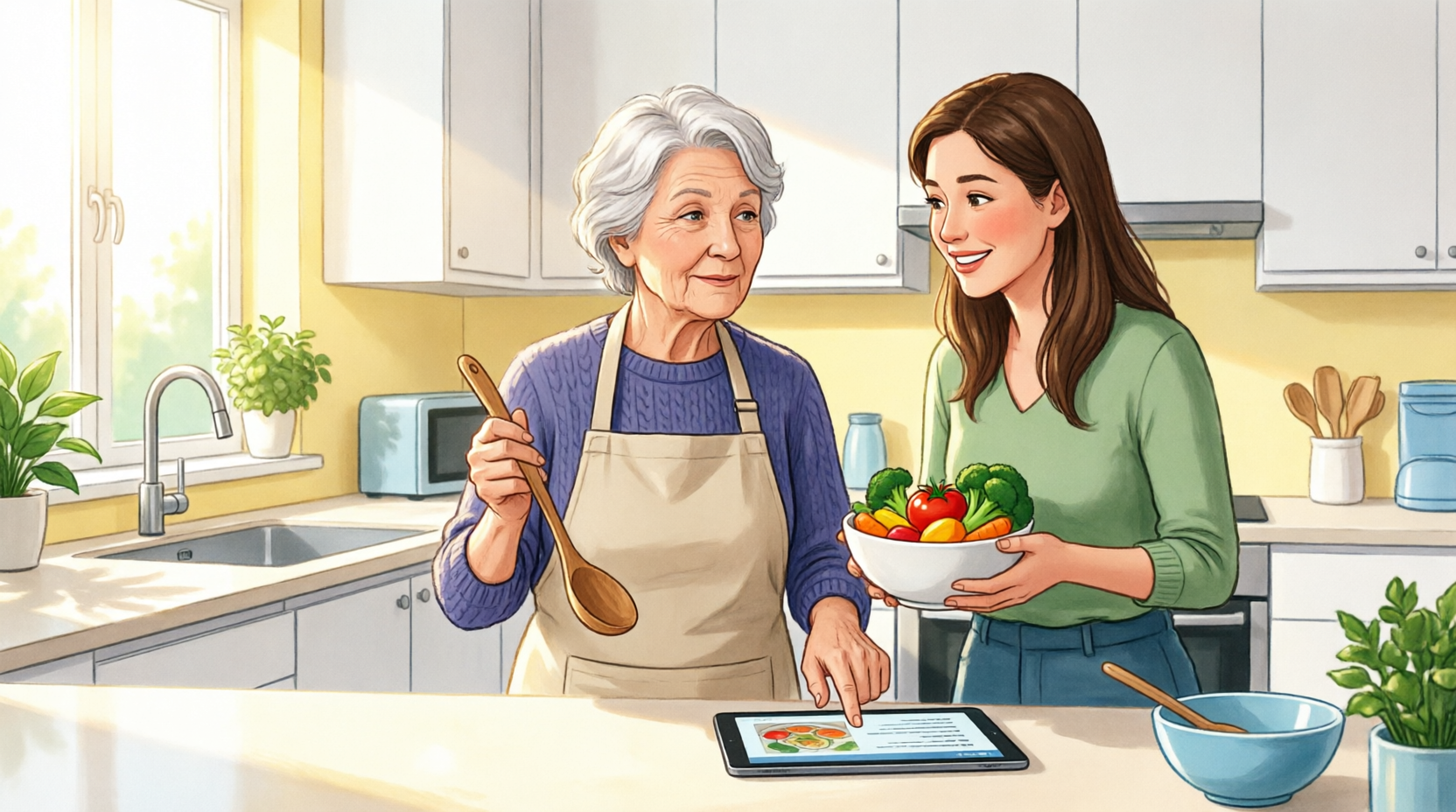
Een diabetesdiagnose drijft vaak goedbedoelende families ertoe om agressief de controle over te nemen, wat onbedoeld de dagelijkse zelfstandigheid en het zelfbeeld van een ouder op leeftijd kan ondermijnen. Deze praktische, niet-veroordelende gids herkadert chronische zorg door je rol als mantelzorger te verschuiven van een controlerende autoriteit naar een ondersteunende gezondheidsadviseur. Ontdek hoe je een zeer toegankelijk thuis 'diabetesstation' kunt opzetten, samen kunt werken aan bloedsuikervriendelijke maaltijden zonder in de valkuil van giftige voedselcontrole te vallen, en hoe je de Caretaker-app kunt inzetten als een rustig, respectvol vangnet dat je dierbare in staat stelt zijn of haar gezondheid zelfstandig te beheren.

Een ouder ondersteunen met hoge bloeddruk en aanverwante gezondheidsproblemen
Het combineren van de hoge bloeddruk van een ouder met overlappende gezondheidsproblemen zoals diabetes, artritis of nierziekte verandert mantelzorg binnen families vaak in een uitputtend spel waarin steeds een nieuw medisch probleem de kop opsteekt. Deze meelevende, vrij van oordeel geschreven gids herschrijft complexe zorg voor meerdere aandoeningen tot een elegante, samenhangende dagelijkse routine gericht op het welzijn van de hele persoon. Ontdek hoe je angstige controles met de bloeddrukmanchet kunt omvormen tot rustige ochtendrituelen, leefstijlverbeteringen doorvoert die tegelijkertijd meerdere chronische symptomen natuurlijk aanpakken, en de Caretaker app inzet om de wrijving van constante medicatieherinneringen weg te nemen — en daarmee de dagelijkse waardigheid van je ouder vastberaden beschermt.
Dagelijkse ondersteuning voor een ouder met de ziekte van Parkinson
Omgaan met de Parkinson-diagnose van een ouder vereist een delicate balans tussen proactief symptoombeheer en diep respect voor hun dagelijkse zelfstandigheid. Deze praktische, oordeelloze gids verdeelt complexe zorglogistiek in rustige, beheersbare dagelijkse ritmes. Ontdek hoe je kunt omgaan met "on/off" medicatiecycli zonder spanningen in de relatie, subtiele aanpassingen in huis kunt doorvoeren die het valrisico drastisch verminderen zonder dat het klinisch aanvoelt, en de kracht van geduldig communiceren kunt beheersen — zodat je vol vertrouwen tools zoals de Caretaker-app kunt gebruiken en echte gemoedsrust krijgt.

Hoe thuis te zorgen voor bedlegerige ouderen: een compassievolle, stapsgewijze gids
Het dagelijks verzorgen van een volledig bedlegerige oudere brengt een enorme fysieke belasting en een complex emotioneel keerpunt voor elk gezin met zich mee. Deze uitgebreide, stapsgewijze gids verdeelt de klinische aspecten van thuiszorg in beheersbare routines die de waardigheid behouden. Ontdek hoe u veilig het verplichte 2-uurs herpositioneringsschema kunt uitvoeren om levensbedreigende doorligwonden te voorkomen, respectvolle bedbaden kunt geven met behulp van de log-roll-techniek en hulpmiddelen zoals de Caretaker app kunt inzetten om moeiteloos vochtbeperkingen en logboeken van keren bij te houden — het comfort van uw ouder veiligstellend terwijl u uw eigen lichamelijke gezondheid beschermt.

Je ouder helpen goed te leven met meerdere chronische aandoeningen
Het beheren van overlappende gezondheidsproblemen van een ouder — zoals hartziekten, diabetes en artrose — laat familiezorgenden vaak verdrinken in gefragmenteerde medische checklists en tegenstrijdig advies van specialisten. Deze praktische, oordeelloze gids helpt je de overgang te maken van robotachtige perfectie naar een eendrachtig, duurzaam dagelijks ritme. Ontdek hoe je "gewoonteclusters" kunt creëren die besluitmoeheid verminderen, medische toediening stroomlijnen zonder zelf op te branden, en de Caretaker app kunt gebruiken om de cognitieve last van het bijhouden uit te besteden — zodat de dagelijkse vreugde en levenskwaliteit van je ouder absoluut centraal blijven in de zorg.

Een ouder met kanker ondersteunen tijdens behandeling en herstel thuis
Het regelen van de kankerzorg van een ouder op leeftijd thuis vereist een delicaat evenwicht tussen de complexe logistiek van behandelingen en een rustige emotionele aanwezigheid. Deze praktische, niet-oordelende gids herdefinieert jouw rol: van overweldigde manager naar ondersteunende partner, met de nadruk op thuisroutines die de waardigheid behouden. Leer hoe je ernstige behandelgerelateerde vermoeidheid en verlies van eetlust met waardigheid kunt aanpakken, bescherm je dierbare tegen de belasting van over-medicalisering, en benut hulpmiddelen zoals de Caretaker app om schema's naadloos te organiseren — zodat je hun herstelreis met vertrouwen kunt verankeren terwijl je je eigen gemoedsrust beschermt.

Wat betekent respijtzorg? Een schuldvrije gids om even pauze te nemen
Toegeven dat je wanhopig behoefte hebt aan een pauze van de onophoudelijke, 24/7 eisen van ouderenzorg veroorzaakt vaak een zware, stille golf van schuldgevoel als mantelzorger. Deze meelevende, niet-oordelende gids legt precies uit wat respijtzorg praktisch betekent en zet de drie belangrijkste opties uiteen: thuiszorgassistenten, dagcentra voor volwassenen en kortdurende verblijven in een zorginstelling. Leer hoe je de zelfopofferende martelaarsmentaliteit kunt afbreken, verborgen financieringsmogelijkheden buiten traditionele Medicare kunt vinden en de Caretaker-app kunt inzetten om een naadloze digitale overdracht uit te voeren—zodat je ouder veilig blijft terwijl jij je gezondheid terugwint.

Je energie beschermen terwijl je een ouder ondersteunt met aanhoudende mobiliteitsproblemen
Het ondersteunen van een ouder met aanhoudende mobiliteitsproblemen vraagt een enorme fysieke, emotionele en mentale tol, waardoor familiezorgverleners vaak met lege reserves komen te zitten. Deze meelevende, oordeelvrije gids ontmantelt het martelaarsdenken en herdefinieert zelfzorg voor de mantelzorger als een absolute noodzaak voor duurzame ondersteuning. Ontdek hoe je realistische 'micropauzes' in je dagelijkse schema kunt opnemen, veilige lichaamstechnieken kunt gebruiken om fysieke rugblessures bij verplaatsingen te voorkomen, en de Caretaker-app kunt inzetten om de constante angst om alles bij te houden te verminderen — zodat je de echte ademruimte en gemoedsrust krijgt die je verdient.
One-time Payment • Family plan $5/month • Save $275 over 5 years
Get Lifetime Access for Only $25Secure checkout